Haringey Council rules on garden waste and rubbish disposal
Posted on 25/06/2026
Haringey Council rules on garden waste and rubbish disposal: a practical local guide
If you live in Haringey, run a property here, or are simply trying to get rid of a growing pile of garden cuttings and household rubbish, the rules can feel a bit fiddly at first. One minute you are trimming hedges, the next you are wondering whether that bag of soil can go out with the bins, whether a broken chair counts as bulky waste, and what happens if you leave it all on the pavement "just for a bit".
This guide breaks down Haringey Council rules on garden waste and rubbish disposal in plain English. You will get a clear view of what usually goes where, how to stay on the right side of local rules, what common mistakes cause problems, and when it makes more sense to use a professional clearance service. To be fair, rubbish is never glamorous. But getting it right saves hassle, avoids complaints, and keeps your home or property looking tidy rather than half-finished.
We'll also cover practical steps, a comparison table, a real-world example, and a checklist you can actually use without needing a second cup of tea just to make it through.
Why Haringey Council rules on garden waste and rubbish disposal Matters
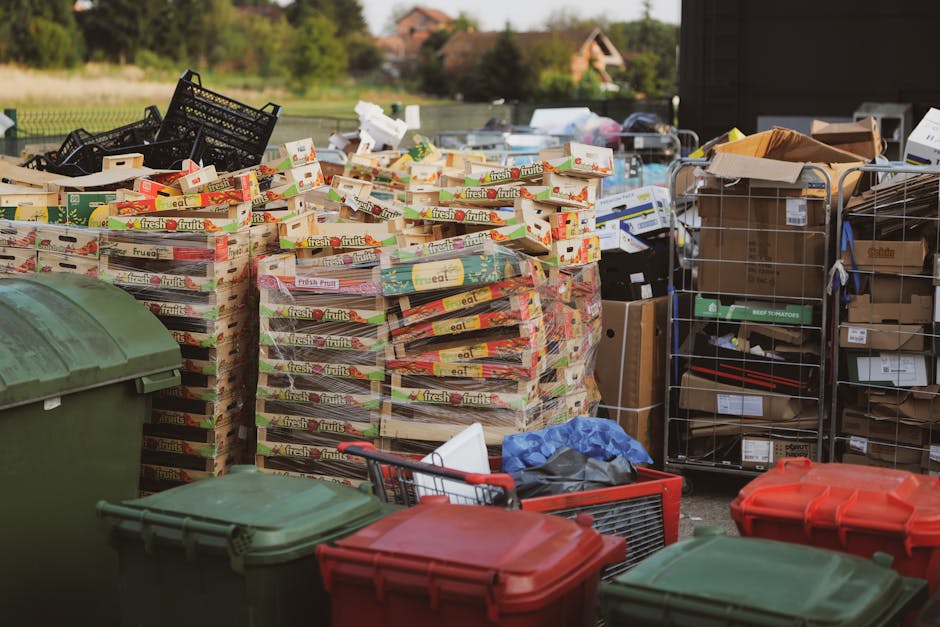
The short version? Because waste left in the wrong place, sorted badly, or put out at the wrong time can create avoidable problems. That might mean missed collections, complaints from neighbours, or extra cost if you have to get items removed twice. In a busy borough, where front gardens, shared entrances, and narrow streets are common, the practical side matters just as much as the rules on paper.
Garden waste and general rubbish also behave differently. Green waste like grass cuttings and leaves is one thing; dirty rubble, broken fencing, old paint tins, mattresses, and mixed household junk are something else entirely. Treating them all the same is a classic mistake, and usually the point where people start muttering, "I thought it would be easier than this."
There is also a wider reason. Responsible disposal helps reduce fly-tipping, keeps footpaths clear, and supports recycling where possible. For anyone living in a flat with a shared bin area, or managing a rental, the rules are not just a neat-and-tidy issue. They are part of keeping the property usable and the community pleasant. If you are also thinking about how your home or investment fits into the local area, you may find our posts on what locals say about living in Haringey and buying property in the Haringey area useful for the broader context.
How Haringey Council rules on garden waste and rubbish disposal Works
At a practical level, waste disposal in Haringey comes down to three things: what type of waste it is, how it is presented, and whether it is being collected through the right route. The details can vary depending on the item and the collection method, so it helps to think in categories rather than assuming one rule covers everything.
Garden waste usually means organic material from routine garden maintenance: grass, leaves, hedge trimmings, small branches, and similar cuttings. It is often best kept separate from general household rubbish. Thick soil, turf in large quantities, stones, and treated timber may need different handling. Mixed loads are where things get messy fast.
Rubbish disposal is broader. It can cover everyday household waste, bulky items, old furniture, white goods, DIY debris, and clearance waste from moving home or decluttering. Some of these may be suitable for recycling or reuse; others need careful disposal because of size, weight, contamination, or material type.
In Haringey, people usually deal with waste in one of a few ways:
- Using regular household bins and collection services for permitted waste
- Separating garden waste so it can be collected appropriately
- Booking bulky waste or specialist removal for larger items
- Using a professional clearance team for mixed or heavy loads
If the job is more than a few bags and a couple of cuttings, it often becomes a time-versus-effort decision. That is exactly where a service such as garden waste removal in Haringey can be helpful, especially after pruning, landscaping, or a weekend garden overhaul. And if the waste is not just green waste but a broader load from a declutter or move, waste collection in Haringey may be a more practical fit.
One point people sometimes miss: the way waste is stored before collection matters. Bags that burst, overfilled containers, or sharp items poking through packaging can create an issue even if the material itself is acceptable. It sounds obvious. Yet in real life, it's usually the small, rushed decisions that cause the headache.
Key Benefits and Practical Advantages
Following the rules is not only about avoiding trouble. Done properly, it makes life simpler in several everyday ways.
- Cleaner kerb appeal: A neat garden and clear frontage make a home feel looked after, whether you are living there or preparing to sell or let.
- Fewer missed collections: Correct sorting means your waste is more likely to be collected the first time, without awkward bag shuffling at 7am.
- Better recycling outcomes: Garden waste and reusable items can often be diverted away from general rubbish when handled properly.
- Less clutter and stress: Clearing waste in batches helps stop it becoming a permanent feature of the patio.
- Reduced risk of complaints: Shared spaces and terrace streets can get tense quickly if waste is left untidy or in the wrong place.
For landlords, homeowners, and managing agents, there is another upside: it helps keep turnaround time smoother between occupiers. If you are clearing out a property after tenants move, the right approach can prevent the classic "we thought the garden would just sort itself" situation. It rarely does, does it?
There can also be financial benefits. A properly separated load is often easier to quote accurately than a mixed heap of mystery items. If you want to understand how waste pricing can shift, our guide on hidden charges to avoid in Haringey rubbish quotes is worth a look.
Who This Is For and When It Makes Sense
This topic is relevant to a surprisingly wide group of people in Haringey.
- Homeowners dealing with hedge cuttings, garden reshaping, shed clear-outs, or general home rubbish
- Renters who need to leave a property clean and avoid awkward deposit deductions
- Landlords and agents managing end-of-tenancy clean-ups or void periods
- Gardeners and small trades producing routine green waste after jobs
- Busy families who want a straightforward way to clear old furniture or weekend waste without turning the car into a tip run
- People moving home and discovering far too many items that no longer deserve to come with them
It makes sense to pay close attention when the waste is bulky, mixed, heavy, damp, or awkwardly shaped. A few bin bags are manageable. A dismantled wardrobe, a pile of old fence panels, and a wheelbarrow full of soil? That is a different beast altogether.
If you are dealing with a wider household emptying project, our house clearance in Haringey page may be more relevant than a simple garden-only solution. For smaller furniture pieces, furniture disposal in Haringey can be the cleaner route. And if the job is more commercial, office clearance in Haringey may be the better match.
Step-by-Step Guidance
Here is a practical way to approach garden waste and rubbish disposal without overthinking it.
- Sort the waste into types. Put green waste, general rubbish, bulky items, and anything potentially hazardous into separate groups.
- Remove anything reusable. Pots, timber, tools, or furniture may be salvageable, and there is no point paying to dispose of something that still has life in it.
- Keep contamination out of the green waste. Soil, plastic ties, treated wood, and mixed rubbish can change how the load needs to be handled.
- Check size and weight. Large branches, soaked sacks, and broken materials are harder to lift and often need a different collection approach.
- Choose the right disposal method. Small routine waste may fit regular collection rules; larger or mixed waste usually needs a specialist collection.
- Prepare access. Make sure the route is clear from the garden, side return, or driveway so the collection can happen safely and quickly.
- Book in advance if needed. Seasonal peaks happen. Spring pruning and late summer tidy-ups often create more waste than people expect.
A sensible rule of thumb: the more awkward the item looks to move, the more likely it is to need a proper arranged collection rather than a casual bin solution. That is not being dramatic. Just practical.
If you are comparing different disposal methods, you may also want to review the services overview and the note on recycling and sustainability for a broader sense of how different waste types can be handled responsibly.
Expert Tips for Better Results
After seeing how these jobs go in real homes, a few patterns keep coming up.
- Do the job before it becomes urgent. The easiest waste clearance is the one you plan on a calm Tuesday, not the one you're trying to shove out before visitors arrive at 6pm.
- Cut down bulky material first. If it is safe to do so, smaller and neater loads are easier to handle and cheaper to move.
- Separate wet green waste from dry mixed rubbish. Wet bags are heavier, messier, and more likely to tear.
- Photograph the load before you book. It helps create a more accurate quote and avoids awkward surprises later.
- Keep pathways clear. A tidy access route saves time and reduces the chance of damage to fences, walls, or planted areas.
- Think in stages for bigger projects. One pass for garden cuttings, another for old furniture, another for builder-style debris if needed.
Truth be told, a lot of waste problems are really organisation problems. Once you group items properly, everything gets easier. Strange how often that works.
If your project involves building work as well as garden clearance, take a look at builders waste disposal in Haringey. Mixed renovation jobs can create a very different sort of load, and it helps to separate it from ordinary green waste.
Common Mistakes to Avoid
These are the mistakes that most often cause unnecessary cost or delay.
- Mixing everything together: Green waste, general rubbish, and old furniture all dumped in one pile can limit disposal options.
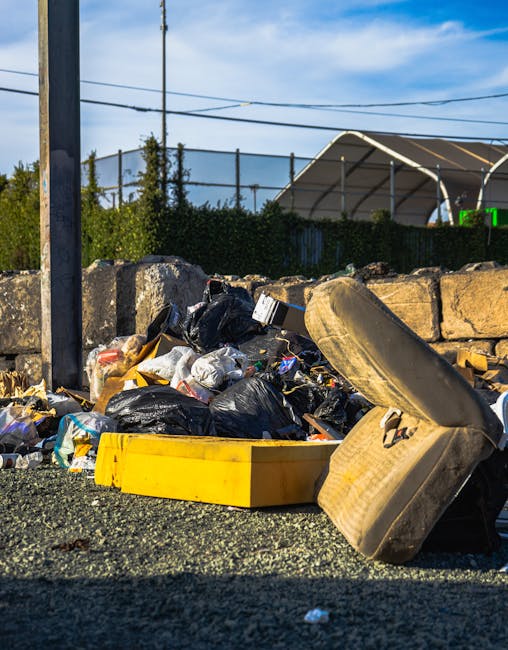
- Leaving waste on the street too early: This can lead to complaints, missed collection windows, or worse, a fine if it creates an obstruction.
- Overfilling bags: Heavy sacks split at the worst possible moment. Usually when you are halfway to the gate.
- Assuming "garden waste" means all garden-related material: Soil, rubble, and treated wood may need different handling from leafy cuttings.
- Ignoring access issues: Tight stairwells, narrow side passages, or shared entrances can change the whole plan.
- Leaving the clearance until after the garden has become unmanageable: Once waste piles up, sorting it becomes slower and more expensive.
Another subtle mistake is not accounting for neighbours and shared spaces. In Haringey, where many homes sit close together, one untidy pile can look bigger than it really is. And once people notice, they notice.
Tools, Resources and Recommendations
You do not need specialist equipment for every clearance job, but a few simple tools can make the process much easier.
- Heavy-duty waste sacks: Useful for leaves, grass, and light cuttings, provided they are not overloaded.
- Garden shears or loppers: Handy for reducing branch size before collection.
- Gloves and closed footwear: Essential if you are moving thorny, damp, or sharp material.
- Tarp or sheet: Keeps cuttings contained and stops mess spreading across paths.
- Labels or simple piles: Even a rough separation between garden waste, reuse, and rubbish saves time later.
For people who want a more straightforward route, a professional collection can remove the guesswork. Our waste collection service in Haringey is designed for the sort of everyday loads that do not quite fit the normal bin routine. For heavier home-furnishing items, the furniture disposal option can be much more convenient than trying to wedge a sofa into a hatchback. Not ideal. Never ideal.
It can also help to look at the company background and process before booking, especially if you care about reliability, handling, and how the job will be managed on site. The about us page and the practical notes on insurance and safety are worth a read in that case.
Law, Compliance, Standards and Best Practice
Without overcomplicating it, the main principle is simple: waste should be stored, sorted, and disposed of responsibly, and you should not leave rubbish in a way that causes nuisance, obstruction, or environmental harm. In the UK, that broad duty is backed up by local rules, duty-of-care expectations, and common sense. The exact arrangements can change, so it is always wise to check current council guidance if you are unsure about a specific item.
From a best-practice perspective, three habits go a long way:
- Keep waste separated where practical.
- Use the correct collection route for bulky or specialist items.
- Make sure anything left out for collection is safe and does not block access.
If you manage rentals or commercial property, compliance matters even more. Waste left by an outgoing tenant, contractor, or office move can quickly turn into a responsibility issue. It is often simpler to handle the clearance promptly than to spend days arguing about whose responsibility the mystery pile of junk actually is. Nobody wins that game.
For people interested in responsible disposal and lower environmental impact, our recycling and sustainability page offers a useful overview of the general approach. And if you are comparing service terms or payment arrangements, the notes on terms and conditions and payment and security can help set expectations before you go ahead.
Options, Methods, or Comparison Table
Choosing the best waste route usually comes down to volume, type, access, and urgency. The table below gives a simple comparison.
| Method | Best for | Pros | Watch-outs |
|---|---|---|---|
| Regular household bins | Small, permitted everyday waste | Simple, familiar, low effort | Limited capacity; not suitable for bulky or mixed loads |
| Separated garden waste collection | Grass cuttings, leaves, light branches | Cleaner, more recyclable, tidy for gardens | Not ideal for soil, rubble, or contaminated material |
| Bulky waste collection | Old furniture, large household items | Useful for awkward items and clear-outs | May need sorting and safe presentation |
| Professional clearance | Mixed rubbish, garden waste, heavy loads, access issues | Fast, flexible, less lifting for you | Needs accurate description to quote properly |
If you are unsure which method fits your situation, a mixed load is often the tipping point. A bag of lawn clippings is one thing. A garden plus garage clear-out is another. You will usually save time by choosing the route that matches the whole job rather than trying to force each item into a different bin-shaped box.
For property owners comparing local service needs, the article on Crouch End house clearances and rubbish removal costs offers a useful real-world angle, while rubbish disposal in Wood Green explores the practical side of local disposal decisions. If timing and access are important, bulky rubbish pickup in Bounds Green is a helpful comparison point.
Case Study or Real-World Example
Here is a typical scenario. A small family in Haringey finishes a weekend garden refresh in late spring. They have hedge trimmings, a couple of old plant pots, two broken folding chairs, and a half-rotted fence panel that has been leaning far too long in the corner. Nothing outrageous. Just enough to become a problem if left sitting there.
At first, they think it can all go out in regular bags. But once the wet cuttings are packed in, the bags get too heavy. The fence panel is awkward, the chairs do not fit neatly, and the pots are chipped and sharp. By Monday, the pile looks bigger than it did on Saturday, mainly because it has spread a bit and now everyone can see it from the kitchen window. Classic.
In that case, the sensible approach is to separate the green waste from the general rubbish, flatten what can be safely flattened, and arrange a collection that can deal with both categories in one visit. The result is cleaner, quicker, and far less stressful than trying to improvise a dozen tiny trips.
That example might sound ordinary, and that is exactly the point. Most waste issues are ordinary. They become annoying only when the sorting is left until the end, when everyone is tired and the weather has turned. We've all been there.
Practical Checklist
Use this quick checklist before you put anything out or book a collection.
- Have I separated green waste from general rubbish?
- Are there any sharp, heavy, wet, or contaminated items mixed in?
- Can the waste be safely moved without blocking paths or entrances?
- Are bags sealed and not overfilled?
- Have I removed anything reusable or recyclable?
- Do I need a specialist collection for bulky items?
- Is there enough access for a safe pickup?
- Have I checked whether the waste needs to go on a specific day or by a specific time?
- Have I included photos or a clear description if I am booking a service?
- Would it be easier to handle the whole job in one organised clearance rather than several small attempts?
If you can tick most of those off, you are usually in good shape. If you cannot, it may be worth stepping back and re-sorting the load before it turns into an even bigger job.
Get a free quote today and see how much you can save.
Conclusion
Haringey Council rules on garden waste and rubbish disposal are easiest to follow when you treat waste by type, not by convenience. Green cuttings, household rubbish, bulky items, and mixed clear-out waste each have their own logic, and that logic matters. Once you separate things properly and choose the right collection method, the whole process becomes far less stressful.
That is really the heart of it. Less confusion, fewer surprises, cleaner streets, and a home that feels looked after. Whether you are tidying a small garden, clearing a property, or sorting out a larger move, a bit of planning goes a long way. And if you want the job handled without the usual faff, there is nothing wrong with that either.
Sometimes the tidy choice is also the easiest one. Nice when that happens, isn't it?

 Tipper Van - Waste Disposal and Waste Collection Prices in Haringey, N4
 Luton Van - Waste Disposal and Waste Collection Prices in Haringey, N4


