Hidden charges to avoid in Haringey rubbish quotes
Posted on 06/06/2026
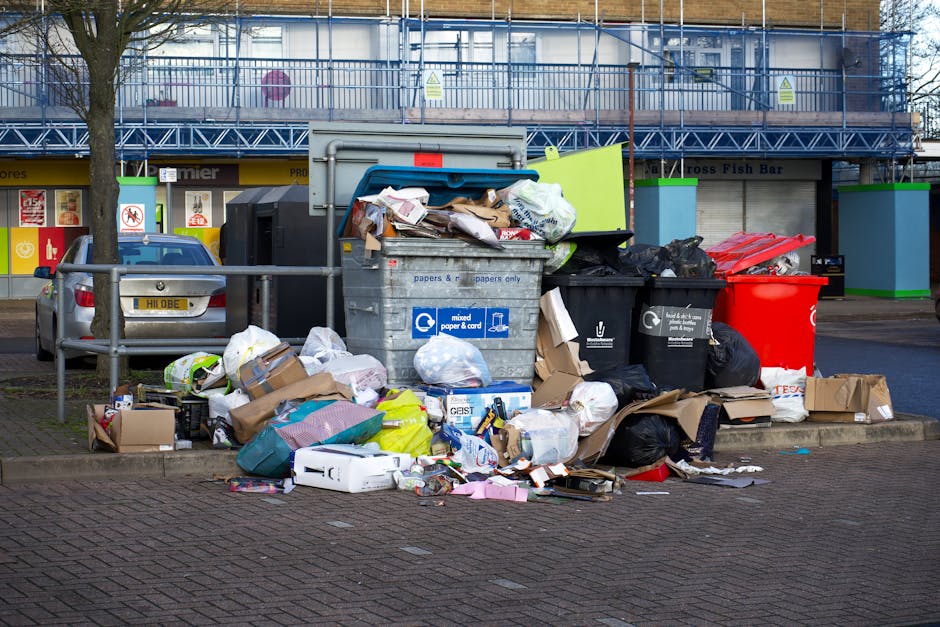
If you have ever asked for a rubbish removal price and felt the number looked fine until the small print showed up, you are not alone. Hidden charges to avoid in Haringey rubbish quotes can turn a simple clearance into an awkward, expensive mess. The good news? Most of the nasty surprises are predictable once you know what to look for. In this guide, we break down the common extras, explain how quotes are usually built, and show you how to compare prices without getting caught out.
Whether you are clearing a flat near Green Lanes, shifting a few bulky bits after a renovation, or booking a full property clearance, the goal is the same: pay a fair price for the work actually done. Not for vague add-ons that appeared at the kerbside, in the hallway, or somehow after the job was finished. Let's get into the bits people often miss.
- Why hidden charges matter
- How rubbish quotes are priced
- Key benefits of spotting extras early
- Who this is for
- Step-by-step guidance
- Expert tips
- Common mistakes to avoid
- Tools, resources and recommendations
- Law, compliance and best practice
- Options and comparison table
- Case study example
- Practical checklist
- Conclusion
- Frequently asked questions
Why hidden charges matter
Rubbish removal quotes can look straightforward at first glance, but the final bill is often shaped by access, weight, labour, waste type, timing, and disposal conditions. Hidden costs matter because they are rarely small. A modest-sounding supplement here and a "special handling" fee there can push a reasonable quote into something uncomfortable very quickly.
In Haringey, this can be especially frustrating because properties vary so much. You might be in a terraced house with easy driveway access, or a top-floor flat with narrow stairs, no lift, and a parking situation that makes everyone sigh. The same pile of waste may cost more or less depending on the actual site conditions. That is fair enough when explained properly. It is not fair when the quote leaves those things out and springs them on you later.
To be blunt, hidden charges create three problems:
- Budget blowouts: The job costs more than expected.
- Disputes on the day: You end up negotiating when a team is already on site.
- Loss of trust: You cannot tell whether the provider is competitive or simply vague.
If you want to compare services properly, a clear pricing page such as the pricing and quotes information is the kind of thing that should answer basic cost questions before you even book. That clarity matters more than people think.
How rubbish quotes are priced
Most rubbish removal quotes are built from a few core ingredients. Once you understand the structure, the hidden extras become much easier to spot.
1. Waste volume
Many prices are based on how much space your rubbish takes up in the truck. In simple terms, more volume usually means more cost. But here is the catch: some companies quote by "load" in a way that is not always easy to visualise. Ask what half-load, three-quarter-load, or full-load actually means in plain English.
2. Weight and waste type
Heavy waste such as soil, rubble, bathroom tiles, or construction debris can cost more than mixed light household rubbish. Some items also need separate handling. That does not automatically mean you are being overcharged, but it does mean the quote should say so clearly.
3. Labour and access
If the team has to carry items down several flights of stairs, walk a long distance from the property to the vehicle, or work around limited parking, labour time increases. This is one of the most common reasons a quote changes. The issue is not the adjustment itself; it is the surprise.
4. Disposal and processing costs
Responsible waste disposal comes with real costs. Providers often factor in tipping fees, recycling processing, and sorting time. If a quote seems unusually low, it may not include those costs at all. That is where the fine print can get interesting, in a not-so-fun way.
5. Timing and job conditions
Urgent bookings, weekend slots, or difficult access windows may carry a premium. Again, that is normal if it is disclosed before you agree.
For broader context on what a proper service should cover, it can help to review a company's service overview and then compare it with what is actually listed in the quote. You will often notice the gaps immediately.
Key benefits and practical advantages
A clear quote protects more than your wallet. It makes the whole job smoother, especially when you are juggling a move, refurbishment, or general life admin that already feels a bit relentless.
- Better budgeting: You can plan the real cost, not a best-case guess.
- Less stress: No awkward haggling while rubbish sits on the pavement.
- Faster decisions: Clear quotes make comparison easier.
- Fewer delays: The crew arrives knowing what is expected.
- More trust: Transparency usually signals a more professional operation.
There is also a practical benefit people overlook: a clear quote helps you prepare properly. If you know stairs, parking, and access are part of the calculation, you can tell the provider upfront and avoid a last-minute adjustment. That can save the whole day from going a bit sideways.
If you are booking a more specific job, such as house clearance services or furniture disposal support, transparency becomes even more useful because the job often involves mixed items, sorting, and different disposal categories.
Who this is for and when it makes sense
This guidance is for anyone comparing rubbish removal prices in Haringey, but it is especially useful if you are in one of these situations:
- moving out and clearing leftover household items
- renovating a kitchen, bathroom, or loft
- clearing a garden after seasonal work
- emptying a rental property between tenancies
- disposing of bulky furniture after a delivery upgrade
- dealing with builders' waste from a small or medium project
It also makes sense if you are comparing different service styles. For example, a quick rubbish collection for a few bulky items is not the same as a full office clearance or a larger-scale builders waste disposal job. The quote should reflect that difference clearly.
And if you are just trying to understand the local market better, there are some helpful reads on the area too, such as what locals say about Haringey living and rubbish disposal in Wood Green. They are useful for context, especially if you are new to the borough or juggling a property move.
Step-by-step guidance
Here is the simplest way to avoid hidden charges in Haringey rubbish quotes without turning it into a second job.
- List everything you want removed. Be specific. A sofa is not just "one item" if it is a large corner unit that needs dismantling.
- Take a few photos. Wide shots, close-ups, and anything awkward such as staircases, garden gates, or cellar access.
- Describe access honestly. If parking is tight or the lift is out, say so. No one benefits from pretending otherwise.
- Ask what the quote includes. Labour, loading, disposal, recycling, VAT if applicable, waiting time, and access issues should all be explained.
- Ask what would change the price. A decent provider should tell you the exact trigger points, not just "it depends."
- Get the quote in writing. A text or email trail helps prevent misunderstandings later.
- Check whether the price is fixed or estimated. Those are very different things. Very different.
- Confirm item exclusions. Some materials need special handling, and that should be discussed before the team arrives.
A useful habit: compare the quote against the actual job, not the headline price alone. A low quote that excludes half the job is not a bargain. It is just a delayed surprise.
Expert tips for better results
After enough clearing jobs, a pattern appears. The quotes that stay accurate are the ones with good detail upfront. The quotes that balloon tend to share the same warning signs.
Be precise about awkward items
Wardrobes, beds, large appliances, sheds, and composite furniture often take longer than people expect. If it needs dismantling, say so. If it is located in a loft or basement, say that too. Small detail, big difference.
Watch for "starting from" pricing
A starting price is not inherently bad. The problem is when it is presented like a final price. If you see "from GBPX," treat that as a prompt to ask what pushes it higher.
Ask about parking and waiting time
In busy parts of Haringey, parking can be the real villain in the story. If a crew cannot park close by, the job may take longer. Ask whether waiting time or extra carrying distance could affect the price.
Make sure recycling is included, not assumed
Many customers want waste handled responsibly, and rightly so. A quote should explain how recyclable items are sorted or where the material goes. If sustainability matters to you, check the provider's recycling and sustainability information so you know the general approach, not just the final invoice.
Keep a calm, written trail
It sounds boring. It is boring. But it saves arguments. A quick email confirming item count, access, timing, and price can prevent most misunderstandings.
One more thing: if a quote is dramatically lower than all the others, do not celebrate too quickly. Sometimes that is good luck. Sometimes it is missing detail. Usually, it is the second one.

Common mistakes to avoid
People usually do not get caught out because they are careless. They get caught out because the job feels simple, and simple jobs are where assumptions sneak in.
- Accepting a verbal estimate as a fixed price.
- Forgetting to mention stairs, parking, or distance from vehicle to property.
- Assuming all waste is priced the same. It is not.
- Not asking about VAT or admin fees. These can appear late if not clarified.
- Leaving bulky items off the list. "Oh, and there's also the mattress" is a classic.
- Booking based only on speed. Fast can be fine, but not if the quote is vague.
A common real-world example: someone books what looks like a cheap clearance for a flat in Crouch End, only to realise the lift is out, the sofa will not fit through the stairwell, and the team needs extra labour time. That is exactly the kind of situation where a clear quote should have warned both sides. If you want a feel for typical clearance pricing questions, this Crouch End house clearance guide is a handy reference point.
Tools, resources and recommendations
You do not need complicated software to avoid hidden charges. A phone, a notes app, and a few good photos will get you surprisingly far. Still, a few practical resources help.
- Photo checklist: Take pictures of all waste, entrances, staircases, and parking access.
- Room-by-room list: Useful for house and office clearances alike.
- Measurement notes: Approximate dimensions of bulky items can help pricing accuracy.
- Written quote comparison: Keep each quote in one place and compare on like-for-like terms.
- Service pages: Use the provider's own descriptions to see whether your job fits a standard collection or a more specialist service.
If you are dealing with a broader property project, these pages can help you understand the service categories before you request a quote: waste collection, garden waste removal, and the full services overview.
You may also find the company's practical policy pages useful when you are checking trust signals, especially if you care about how payments, personal data, or operational standards are handled. Pages such as payment and security, privacy policy, terms and conditions, and insurance and safety can give you a better sense of the provider's working approach.
Law, compliance and best practice
Without turning this into a legal lecture, there are some sensible UK expectations worth keeping in mind. Waste should be handled by a legitimate operator, and the service should be described accurately. In plain English, you should know who is taking the waste, what they are taking, and whether the quote reflects the real job.
Best practice usually means:
- clear price explanation before collection
- honest description of access and labour conditions
- appropriate handling of different waste types
- responsible disposal and sorting where possible
- transparent terms if the quoted price can change
For customers, the safest mindset is simple: if the quote is unclear, ask for clarification before booking. Not after. Not on the doorstep. Before. That one habit cuts through most problems.
It is also sensible to read the company's own policies and operating information carefully. A page like about us can help you understand the kind of business you are dealing with, while service-specific pages show whether the work matches your needs. If a provider is vague about the basics, that is a signal in itself.

Options and comparison table
Not every rubbish job should be quoted the same way. A quick comparison can help you see where hidden charges often creep in.
| Quote style | Best for | Strengths | Watch out for |
|---|---|---|---|
| Fixed quote | Clearly described jobs with good photos | Predictable, easy to budget | Can be wrong if details were missed |
| Estimated quote | Jobs where access or volume may change | Flexible, can be useful for complex clearances | Final price may move if the actual job differs |
| Load-based quote | General rubbish collection and mixed waste | Simple for common collections | Ask how load size is measured |
| Itemised quote | Furniture disposal, offices, or mixed property clearances | Good transparency, easier comparison | May take longer to prepare |
Truth be told, itemised or well-explained fixed quotes are usually the easiest to trust. They may not always be the cheapest headline figure, but they are often the least annoying in real life. And that counts for something.
Case study or real-world example
Here is a realistic example based on the kind of booking people make every week. A resident in Haringey needs a same-week clearance after replacing an old bedroom set and cleaning out a storage room. On paper, the job looks straightforward: a bed frame, wardrobe, chest of drawers, a few bags of mixed clutter, and a couple of smaller items.
The first quote looks attractive. But the provider has not asked about stairs, parking, or whether the wardrobe needs dismantling. Once the customer sends photos, it becomes clear the property is on the third floor with no lift, the front entrance is tight, and parking is limited. The original low price becomes less realistic.
Another provider asks better questions from the start: What exactly is going? Are the items already dismantled? Is there a lift? How far is the vehicle from the entrance? Is there anything heavy or awkward? The quote is slightly higher, but it is honest and complete.
The lesson is not "always pick the cheapest" or "always pick the highest." The lesson is to compare like for like. A proper quote should match the work, not hide the difficult bits until later. Simple, really. Well, simple once you know what to ask.
Practical checklist
Use this before you accept any rubbish removal quote in Haringey.
- Have I listed every item clearly?
- Have I mentioned stairs, lifts, parking, and access issues?
- Have I asked whether the quote is fixed or estimated?
- Have I confirmed what is included in the price?
- Have I asked about additional charges for labour, waiting time, or heavy items?
- Have I checked whether VAT or disposal fees are already included?
- Have I explained any special waste or awkward items?
- Have I got the quote in writing?
- Have I compared at least two or three quotes on the same basis?
- Do I understand what could change the final price?
If you can tick all of those, you are in a much stronger position. No drama, no guesswork, no strange surprises when the team turns up with the van.
Get a free quote today and see how much you can save.
Conclusion
The easiest way to avoid hidden charges in Haringey rubbish quotes is to slow the process down just enough to ask the right questions. You do not need to become a pricing expert. You only need to make the job visible before anyone gives you a number.
Be clear about the items, honest about access, and careful with "from" prices that sound too smooth. A transparent quote saves money, but it also saves time, tension, and that sinking feeling when an extra fee appears for something you thought was obvious. And honestly, that peace of mind is worth a lot.
When the quote is clear, the collection tends to be clearer too. That is the kind of boring good outcome people remember fondly later. A little less stress, a little more certainty. Not glamorous, but very welcome.
 Tipper Van - Waste Disposal and Waste Collection Prices in Haringey, N4
 Luton Van - Waste Disposal and Waste Collection Prices in Haringey, N4


